
The Collector
The Collector is a psychological thriller novel by English author John Fowles, published in 1963 as his debut work. The story is divided into two distinct sections, each narrated by one of the two central characters, offering a chilling dual perspective on obsession, class conflict, and the abuse of power. The first part is told by Frederick Clegg, a lonely, working-class clerk who works in a local government office and leads a solitary life, his only passion being the collection of butterflies. After winning a large sum of money in a football pool, Clegg quits his job and moves to London, where he becomes obsessed with Miranda Grey, a beautiful and talented art student from a middle-class background. Unable to approach her in a normal way, he buys a remote old house in the countryside and converts its cellar into a secure prison. He then stalks Miranda, learns her daily routine, and finally kidnaps her by chloroforming her as she walks alone. Clegg locks her in the cellar and insists that he only wants her to love him, providing her with food, books, art supplies, and other comforts, all while refusing to let her go. The second part of the novel is Miranda's diary, written during her captivity. It reveals her intelligence, her fierce will to survive, and her desperate attempts to reason with Clegg, to appeal to his humanity, and to find a way to escape. She tries to educate him, to make him see the world through art and beauty, but Clegg's rigid, resentful mindset prevents any genuine connection. The novel builds to a devastating climax that underscores the impossibility of genuine communication between two people who inhabit entirely different moral and social universes.
The themes of The Collector are rich and layered. At its core, the novel is a profound exploration of class resentment and the destructive nature of possession. Clegg's obsession with Miranda is not merely romantic; it is a symptom of his deep-seated envy of the upper classes, whom he sees as superior but also as contemptible. He wants to own her, to pin her down like a butterfly in a display case, to possess her beauty and vitality without ever understanding them. The book also examines existentialist ideas of freedom and choice: Miranda's struggle to maintain her autonomy in the face of absolute control, and Clegg's inability to make a genuine moral choice because he is trapped by his own limited worldview. Fowles uses the butterfly metaphor throughout, with Clegg a collector of living creatures, reducing life to a static object. The novel is often seen as a response to Vladimir Nabokov's Lolita, but with a more explicit focus on class and a more sympathetic portrayal of the victim. The writing style is precise and immersive, shifting from Clegg's flat, almost bureaucratic tone to Miranda's passionate, literary voice.
The Collector was an immediate critical and commercial success, establishing Fowles as a major literary talent. It was adapted into a film in 1965 and has since become a staple of psychological thriller literature, influencing countless works in the genre. Its unflinching portrayal of a kidnapper's mind and the captive's resilience remains disturbingly relevant, and the novel continues to be studied in universities for its narrative innovation and its sharp social commentary. The Collector stands as a timeless warning about the darkness that can lurk beneath the surface of ordinary lives.
Upon its release, The Collector received strong critical praise. Alan Pryce-Jones of The New York Times commended Fowles's bravery in crafting a narrative that demands total reader acceptance, noting that the author's use of language was so precise that "there is not a false note in his delineation of Fred." Hayden Carruth of the Press & Sun-Bulletin described the novel as "brisk" and "professional," highlighting Fowles's ability to evoke both "the oblique horror of innocence" and "the direct horror of knowledge." Later assessments have been equally striking: in 2014, Mary Andrews of The Guardian argued that Fowles invites readers to see beyond the protagonist's excuses, painting a far more chilling picture of Frederick Clegg as a man who has been leading up to his crime his entire life, and she deemed him "one of literature's most evil characters."
About the Author
John Robert Fowles (31 March 1926 – 5 November 2005) was an English novelist and essayist, widely regarded as a pioneer of postmodern literature. He was born in Leigh-on-Sea, Essex, to a middle-class family, and he later described the conformist suburban culture of his childhood as oppressive, saying, 'I have tried to escape ever since.' He attended Bedford School, a boarding school that prepared boys for university, and after a brief stint at the University of Edinburgh, he began compulsory military service in 1945. The war ended soon after, so he never saw combat, and by 1947 he decided the military life was not for him. He then enrolled at New College, Oxford, where he studied German and French. At Oxford, Fowles discovered the works of French existentialists, particularly Albert Camus and Jean-Paul Sartre, whose ideas about freedom, choice, and the absurd deeply influenced his later writing.
After graduating, Fowles taught English at a school on the Greek island of Spetses, an experience that inspired his second novel, The Magus (1965), a labyrinthine tale of psychological mystification that became a cult favorite of the 1960s counterculture. His debut novel, The Collector (1963), was an immediate success, allowing him to quit teaching and become a full-time writer. He followed this with The French Lieutenant's Woman (1969), a postmodern novel that parodies Victorian conventions, famously offering multiple endings and exploring themes of love, freedom, and historical determinism. Other major works include the philosophical essay collection The Aristos (1964), the short story collection The Ebony Tower (1974), and the novel Daniel Martin (1977). Fowles's work is characterized by its lush, sensuous prose, its metafictional playfulness, and its profound engagement with existentialist philosophy. He was also a dedicated naturalist and conservationist, and he lived most of his later life in Lyme Regis, Dorset, where he served as curator of the local museum. Fowles died of a heart attack at his home in Lyme Regis on 5 November 2005, at the age of 79. His legacy as a novelist who balanced commercial appeal with literary innovation remains secure, and his books continue to be widely read and studied for their psychological depth and narrative daring.
StoryFlow
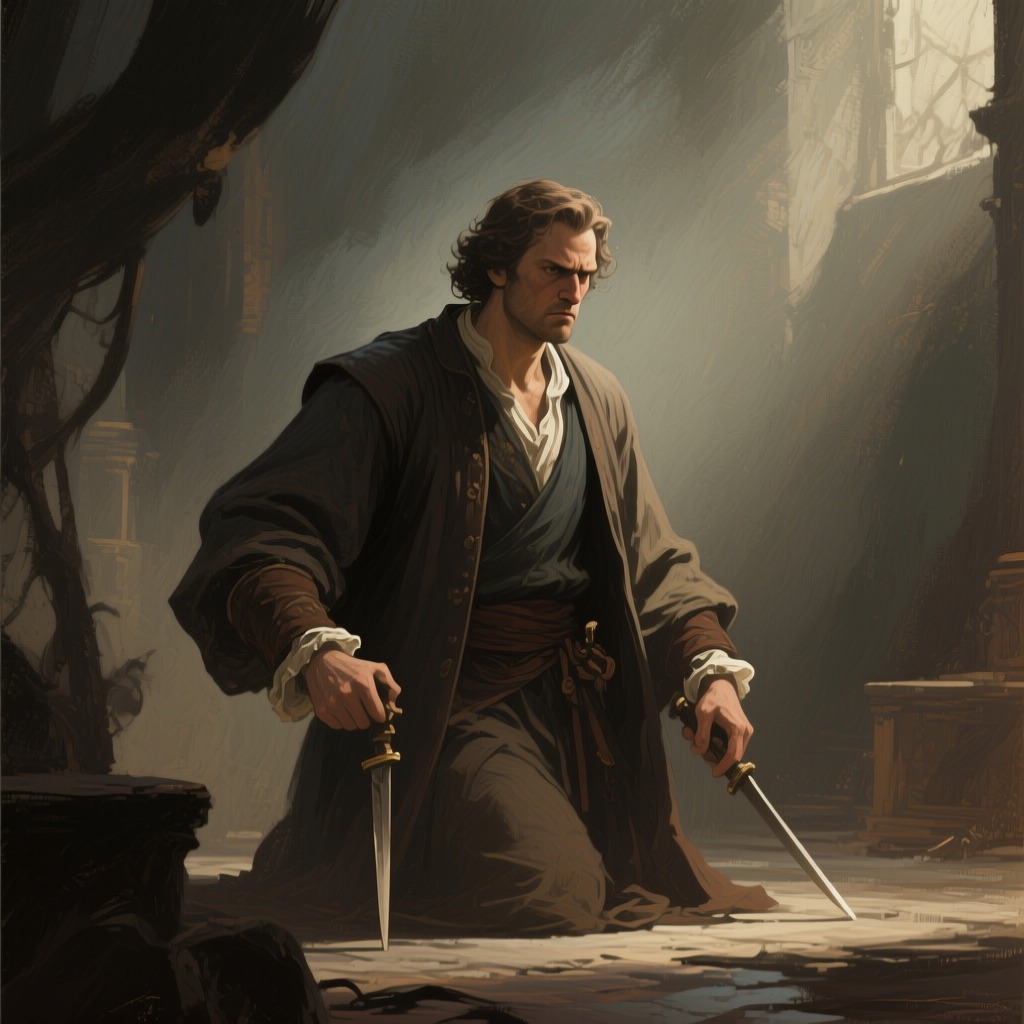
Frederick's Plan and Abduction
Traces Frederick Clegg's meticulous planning, execution, and immediate aftermath of kidnapping Miranda Grey.
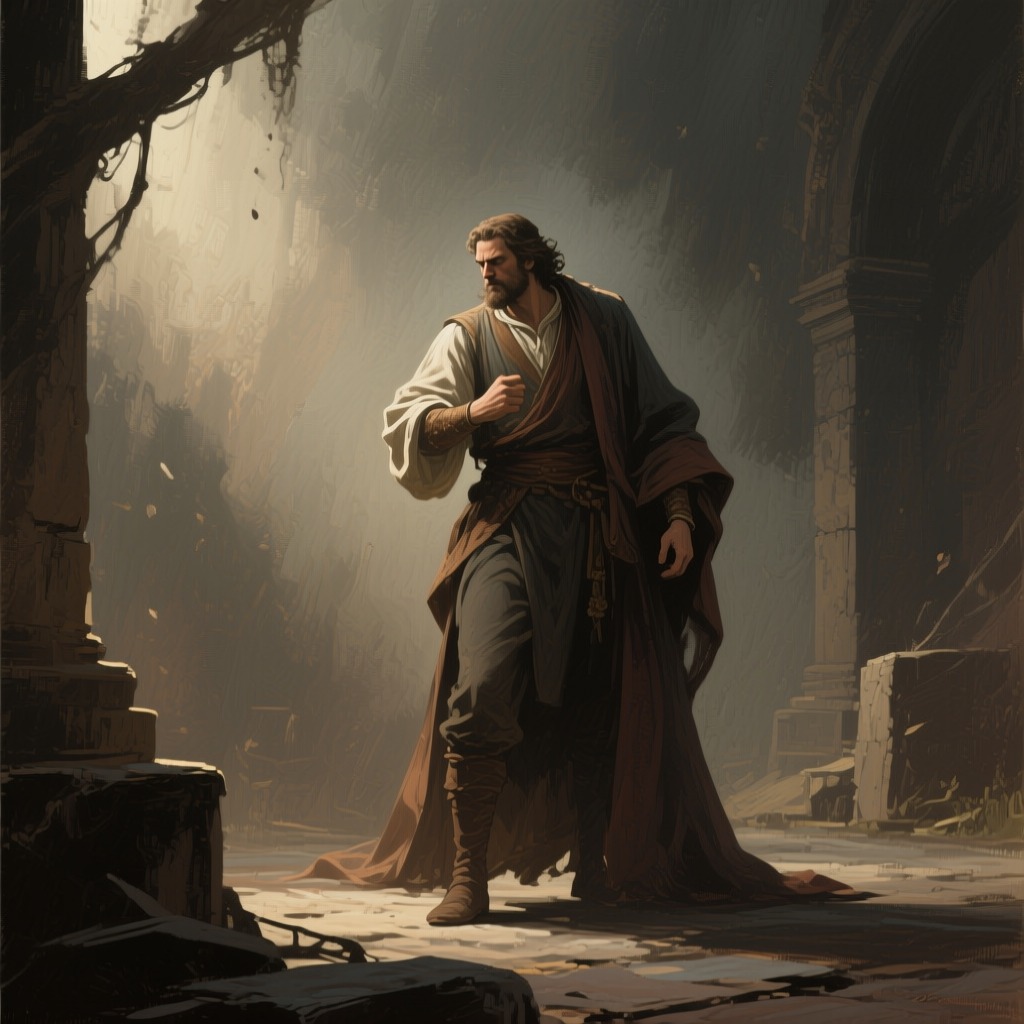
Miranda's Imprisonment and Daily Life
Follows Miranda Grey's experience of captivity, her attempts to maintain sanity, and her gradual deterioration.
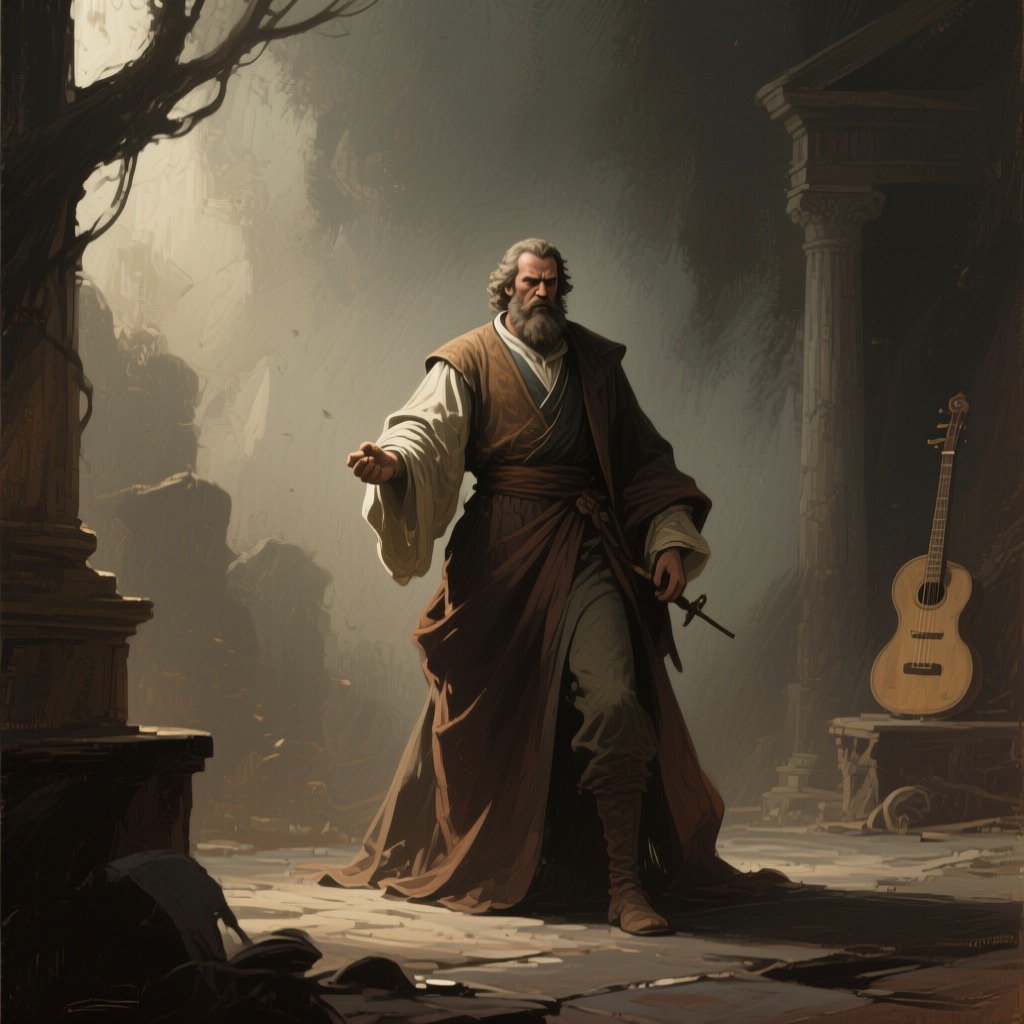
Frederick's Courtship Attempts
Chronicles Frederick Clegg's misguided efforts to win Miranda's love through gifts, conversation, and proposals.
